
Energy Preparedness
A reliable energy supply requires thorough preparedness. For industrial companies and energy providers, energy preparedness involves being able to manage disruptions to fuel supplies, reduce dependence on a single energy source and maintain operations when conditions change.
We help you find a solution based on your facility, available fuel options and requirements for a more secure energy supply.
Contact us to discuss how your facility can become more flexible.
Contact us
"*" indicates required fields
What Happens When a Fuel Becomes Unavailable?
When the supply of a particular fuel is restricted, it can affect production, security of supply and operating costs. For industries that rely on a continuous supply of heat or steam, disruptions can have consequences for the entire operation. For energy providers, limited fuel availability can make it more difficult to meet demand for heating and energy.
Therefore, an important part of energy preparedness lies in identifying vulnerabilities in the existing energy supply and assessing the available alternatives.
This may involve:
- Reducing dependence on a single fuel source by exploring the possibility of using multiple fuels.
- Adapting existing equipment to alternative fuels rather than being locked into a single fuel type.
- Modernising burners and control systems to create better conditions for efficient and reliable operation.
- Evaluating which fuels and technical solutions are suitable for the specific facility.
The appropriate measures depend on the facility’s design, energy requirements, available fuels and operational demands. With the right technical conditions in place, fuel flexibility can become an important part of a long-term energy preparedness strategy.
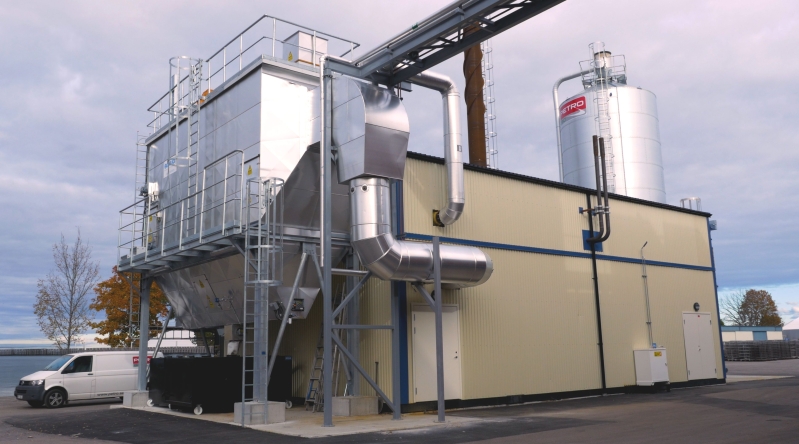
How Can We Reduce Dependence on a Single Energy Source?
Depending on a single fuel can limit operational flexibility when availability, price or quality changes. By exploring alternative fuels, industrial companies and energy providers can create greater flexibility in their energy supply.
PetroBio’s burner systems are designed for solid, liquid and gaseous fuels. Depending on the system configuration, these may include wood powder, bio-oil, biogas or other fuels suitable for the specific process.
Fuel flexibility does not mean that all fuels can be used directly in the same facility. A technical assessment must take into account fuel properties, combustion characteristics, fuel handling requirements and the design of the facility. In some cases, a single burner can handle multiple fuels, while other solutions require a conversion or more extensive modifications.
The goal is to find a solution that gives your operation more options without compromising safety, performance or operational reliability.
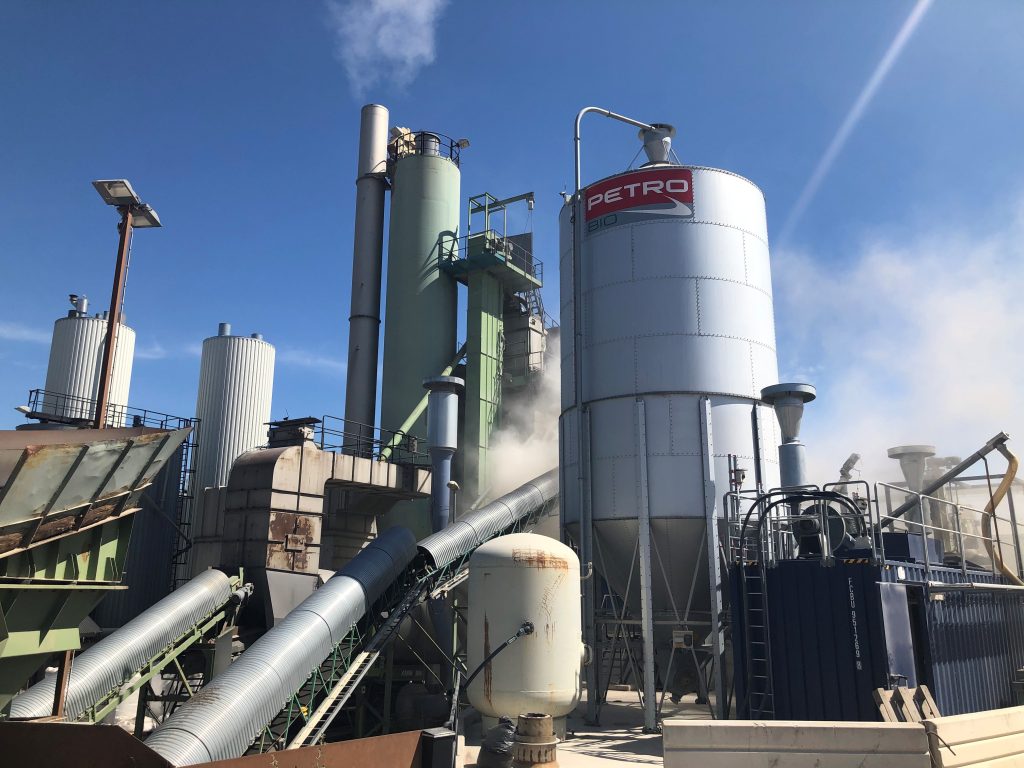
Fuel Flexibility Tailored to Your Operation
Fuel options need to be evaluated based on the specific requirements of the operation and the technical conditions of the facility.
- Solid fuels: Such as wood powder and other suitable biofuels or residual materials.
- Liquid fuels: Such as bio-oils and certain industrial residual streams.
- Gaseous fuels: Such as biogas, natural gas and various types of process and waste gases.
With the right burner technology and system modifications, your operation can reduce its dependence on a single energy source and create better conditions for flexible operation.
Fuel-Flexible Burners for Greater Energy Preparedness
The burner is a central component in many industrial energy systems. A solution designed to handle several potential fuels can give your operation greater flexibility when energy supply conditions change.
PetroBio develops and supplies burner systems for industrial applications, district heating and energy production. The technology is adapted to the characteristics of each fuel and the facility’s requirements for capacity, controllability and emissions.
A fuel-flexible solution can help provide:
- More fuel options when the availability of a particular fuel changes.
- Adaptation to different fuel properties through appropriate combustion, heating, pumping and dosing technology.
- More efficient operation through tailored control and regulation.
- Long-term flexibility as the operation’s fuel requirements or energy strategy evolve.
Which fuels can be used depends on the specific burner and facility. A technical assessment helps determine which alternatives are viable and what modifications may be required.
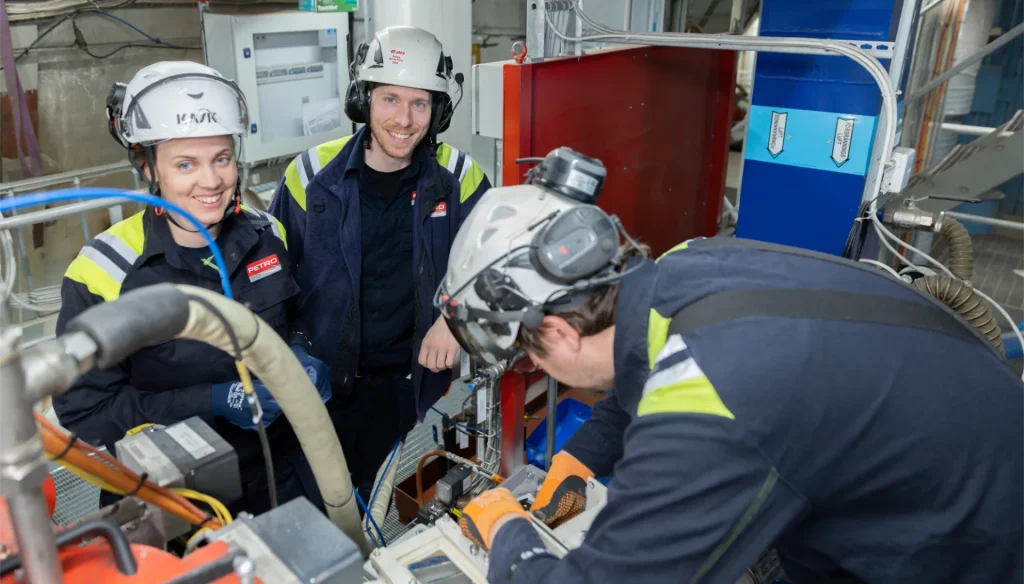
Conversions and Upgrades of Existing Energy Facilities
Improving energy preparedness does not necessarily mean replacing the entire energy facility. In many cases, existing equipment can be modernised or adapted to meet new requirements for fuel flexibility and operation.
PetroBio works with modifications, fuel conversions and upgrades of burners, fuel handling systems and automation systems. Each solution is designed around the technical conditions of the facility and the objectives of the operation.
A conversion or upgrade may include:
- Conversion to alternative fuels: Adapting burners and associated systems to enable the use of other fuels.
- Burner technology upgrades: Modernising equipment to improve functionality, performance and flexibility.
- Fuel handling adaptations: For example, heating, pumping and dosing systems for liquid fuels.
- Automation optimisation: Adapting control and regulation systems to support efficient and stable operation.
- Installation and commissioning: Coordinating technical components to ensure a controlled transition to the upgraded solution.
Frequently Asked Questions About Energy Preparedness
What Does Energy Preparedness Mean for Industry?
Energy preparedness means preparing operations for disruptions and changes in energy supply. For industrial companies, this may involve identifying dependence on individual fuels, evaluating alternative energy sources and adapting existing equipment. The aim is to reduce vulnerabilities and create better conditions for stable, continuous production.
How Can Fuel Flexibility Strengthen Energy Preparedness?
Fuel flexibility can make it possible to use alternative fuels when the supply of the primary fuel is restricted. This can reduce dependence on a single supplier or fuel type. Which alternatives are suitable depends on the burner’s design, the properties of the fuel and the facility’s technical requirements.
Can an Existing Energy Facility Be Adapted to Use Alternative Fuels?
Yes. In some cases, an existing facility can be adapted by modifying or upgrading burners, fuel handling systems or control systems. The measures required depend on the facility’s design and the alternative fuel in question. A technical assessment is necessary to determine which solutions are suitable and feasible.