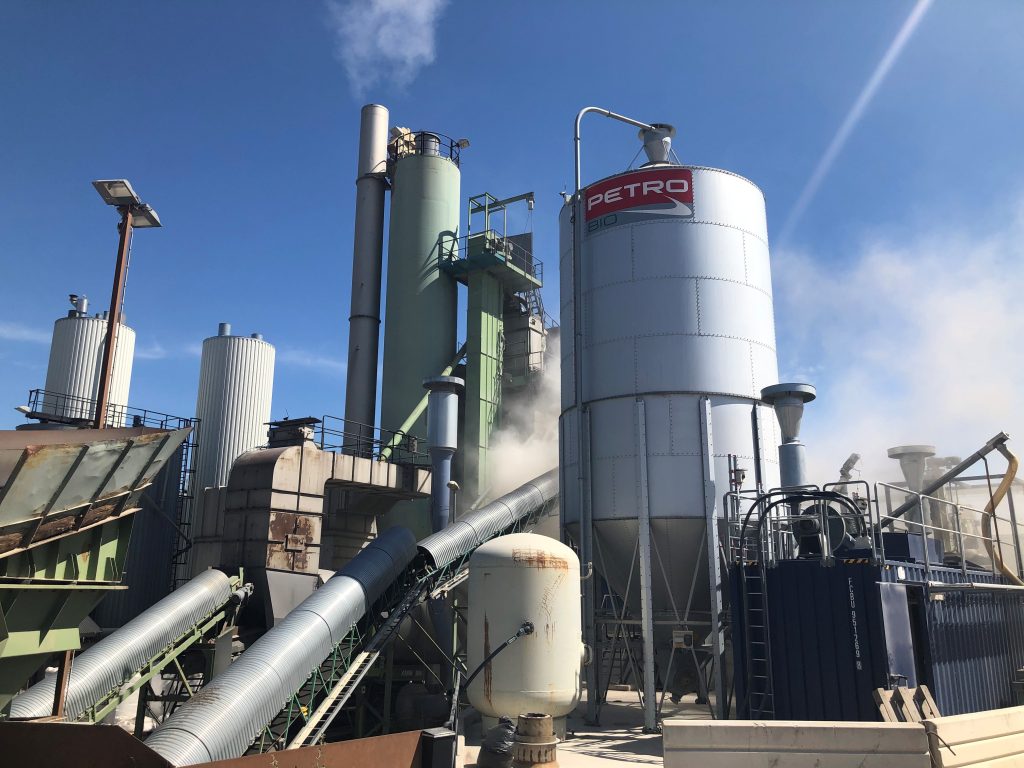
One system. Multiple fuels. Our burner solutions give you the flexibility to select and switch fuels based on price, availability and market conditions.
Solid bio / Residues
Fuel Oil
Bio oil
Gas bio / NG / LPG
Hybrids
Solid Fuels
Since the 1980s, PetroBio has developed and delivered high-performance burner systems for solid fuels. Our solutions enable sustainable energy through efficient combustion of:
Pelletized and wood-based fuels
Agro-based fuels
Powder/dust waste from industrial production
This gives industries the ability to turn residues and renewable resources into reliable, cost-efficient energy.
PetroBio’s journey began in the 1960s and 70s with liquid fuel combustion for Sweden’s district heating networks. Today, we offer advanced solutions for:
Bio-oils and tar oil
Solvents
Liquid industrial waste streams
Heavy and light fuel oils
With flexible burner technology, our customers can produce sustainable energy regardless of the fuel source, combining efficiency, reliability, and lower environmental impact.
Since our founding, PetroBio has worked with gaseous fuels, offering innovative burner systems for efficient, environmentally friendly, and sustainable energy production. Our solutions are optimized for:
PetroBio’s technology makes it possible to produce sustainable energy, whether you use fossil or renewable fuels. We help you improve efficiency, reduce emissions, and future-proof your energy solution.
What is sustainable energy?
Sustainable energy includes all energy solutions that are long-term efficient and have a low climate impact. This covers renewable fuels such as wood, bio-oil, and biogas, but also optimized use of natural gas and heating oils where emissions are minimized. The goal is to produce energy without depleting resources for future generations.